Battery-Powered Chainsaws
Class I - DangerousWhat Should You Do?
- Check if you have this product: (About 7,180 (In addition, about 21 were sold in Canada))
- Do not eat it: Even if it looks and smells fine, do not consume this product.
- Throw it away or return it: You can return the product to the store for a full refund.
- Seek medical attention if needed: If you've consumed this product and feel unwell, contact your doctor immediately.
- Report problems: Report any issues to the FDA's Safety Reporting Portal.
⚠️ Emergency: If you experience severe symptoms after consuming this product, call 911 or Poison Control at 1-800-222-1222.
Recall Details
- Company:
- Unknown Manufacturer
- Reason for Recall:
- The motor controller of the recalled chainsaw can overheat during operation of the unit, posing fire and burn hazards.
- Classification:
- Class I - Dangerous
Dangerous or defective products that predictably could cause serious health problems or death.
- Status:
- ongoing
- Hazard:
- The motor controller of the recalled chainsaw can overheat during operation of the unit, posing fire and burn hazards.
- Remedy:
- Consumers should immediately stop using the recalled chainsaws and contact DR Power for a refund. Consumers will receive a pro-rated refund for the chainsaw tool based on the chainsaw's age. Consumers will need to show proof of the chainsaw's destruction by uploading a photograph in accordance with the destruction instructions and filling out the recall form online. For instructions on destroying the chainsaw, visit https://www.drpower.com/BPC-recall. If consumers choose to dispose of the recalled chainsaw's lithium-ion battery, consumers should recycle the lithium-ion batteries in accordance with local and state regulations.
Product Images
Product Information
Full Description:
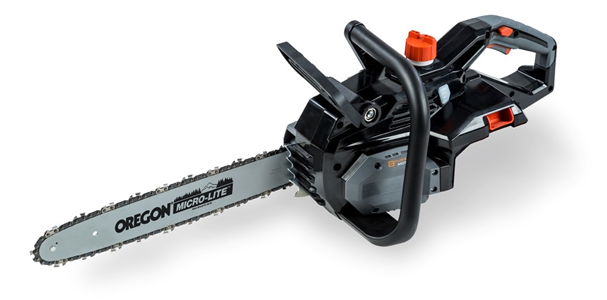
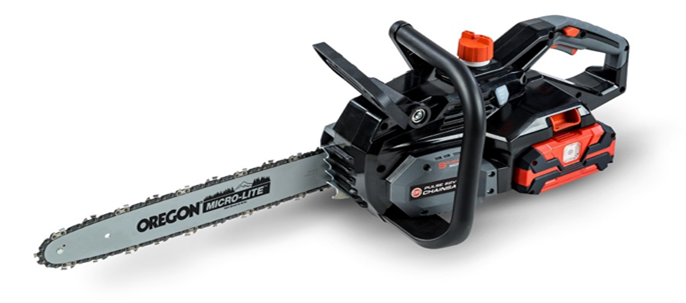
This recall involves DR Power Equipment lithium-ion battery-powered chainsaws with the following model numbers: 414170, 414181, 41418 and 414170R. The chainsaws have a black handle and orange buttons, and a label printed with DR Pulse 62V. The model and serial number are printed on a white label located on the right side of the chainsaw handle. Note: If you choose to dispose of the recalled chainsaw's lithium-ion battery, do not throw this lithium-ion battery in the trash, in the general recycling stream (e.g., street-level or curbside recycling bins), or in used battery recycling boxes found at various retail and home improvement stores. Lithium-ion batteries must be disposed of differently than other batteries, because they present a greater risk of fire. Your municipal household hazardous waste (HHW) collection center may accept this lithium-ion battery for disposal. Before taking your battery to a HHW collection center, contact that office ahead of time and ask whether it accepts lithium-ion batteries. If it does not, contact your municipality for further guidance.
Product Codes/Lot Numbers:
(About 7,180 (In addition, about 21 were sold in Canada))
Official Source
Always verify recall information with the official CPSC source:
View on CPSC.govCPSC Recall Number: 25323
Related Recalls
Scotch™ Thermal Laminators
Unknown Manufacturer
The recalled thermal laminators can overheat, posing a fire hazard.
Blitz and Blitz 777 air rifles
Unknown Manufacturer
The recalled air rifles can fire unexpectedly when releasing the bolt before the air rifle is fully cocked, posing a risk of serious injury or death from projectile hazard.
Crystal Glass Cups with Loose Crystal Chips
Unknown Manufacturer
Glass can break inside the recalled cups while in use, posing a risk of serious injury from ingestion and laceration hazards.