American Landmaster EV, L3, L4, L5, L5W and L7 Utility Vehicles (UTVs)
Class II - ModerateWhat Should You Do?
- Check if you have this product: (About 1,050)
- Do not eat it: Even if it looks and smells fine, do not consume this product.
- Throw it away or return it: You can return the product to the store for a full refund.
- Report problems: Report any issues to the FDA's Safety Reporting Portal.
Recall Details
- Company:
- ASW LLC, d/b/a American Landmaster, of Columbia City, Ind.
- Reason for Recall:
- The steering shaft can separate from the joint and result in a loss of control, posing crash and injury hazards.
- Classification:
- Class II - Moderate
Products that might cause a temporary health problem, or pose a slight threat of a serious nature.
- Status:
- ongoing
- Hazard:
- The steering shaft can separate from the joint and result in a loss of control, posing crash and injury hazards.
- Remedy:
- Consumers should immediately stop using the recalled utility vehicles and contact American Landmaster to receive instructions for conducting an inspection to determine if your vehicle requires repair, or to make an appointment for a no-cost inspection and, if necessary, full repair from an authorized repair shop. American Landmaster is contacting all registered owners directly.
Product Images
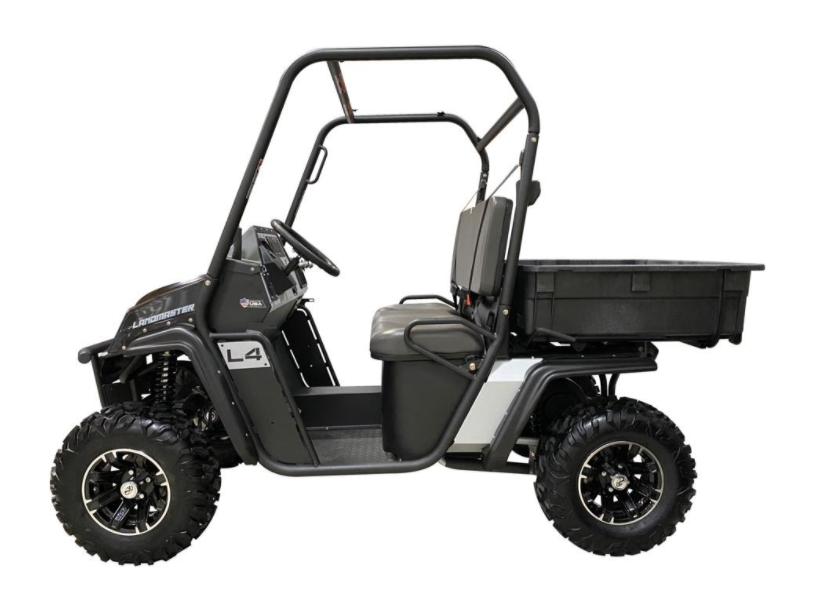
Product Information
Full Description:
This recall involves American Landmaster utility vehicles series EV, L3, L4, L5, L5W and L7, equipped with standard (non-power) steering, and manufactured between March 2021 and October 2021. They were sold in red, blue and camouflage colors. Landmaster and the model name appear on the frame near the front left wheel of the vehicles. The model year and date of manufacture can be found on a data plate behind the vehicle's pedals.
Product Codes/Lot Numbers:
(About 1,050)
Official Source
Always verify recall information with the official CPSC source:
View on CPSC.govCPSC Recall Number: 22081
Related Recalls
Off-road utility vehicles
ASW, LLC d/b/a American Landmaster, of Columbia City, Ind.
Gas can leak from the utility vehicle's gas tank, posing fire and burn hazards.