Scuba high-pressure air hoses
Class II - ModerateWhat Should You Do?
- Check if you have this product: (About 1,300 in the U.S.)
- Do not eat it: Even if it looks and smells fine, do not consume this product.
- Throw it away or return it: You can return the product to the store for a full refund.
- Report problems: Report any issues to the FDA's Safety Reporting Portal.
Recall Details
- Company:
- Suunto Oy, of Finland
- Reason for Recall:
- The high-pressure air hose may leak or rupture leading to a loss of breathing gas posing a drowning hazard.
- Classification:
- Class II - Moderate
Products that might cause a temporary health problem, or pose a slight threat of a serious nature.
- Status:
- ongoing
- Hazard:
- The high-pressure air hose may leak or rupture leading to a loss of breathing gas posing a drowning hazard.
- Remedy:
- Consumers should stop using these products immediately and bring the hose or pressure gauge and dive computer to the nearest authorized Suunto Dive dealer or Suunto Authorized Service Center for a free replacement hose. Consumers can also use the Suunto Online Service Request www.suunto.com/servicerequest to get their product picked up and delivered for the hose change.
Product Images
Product Information
Full Description:
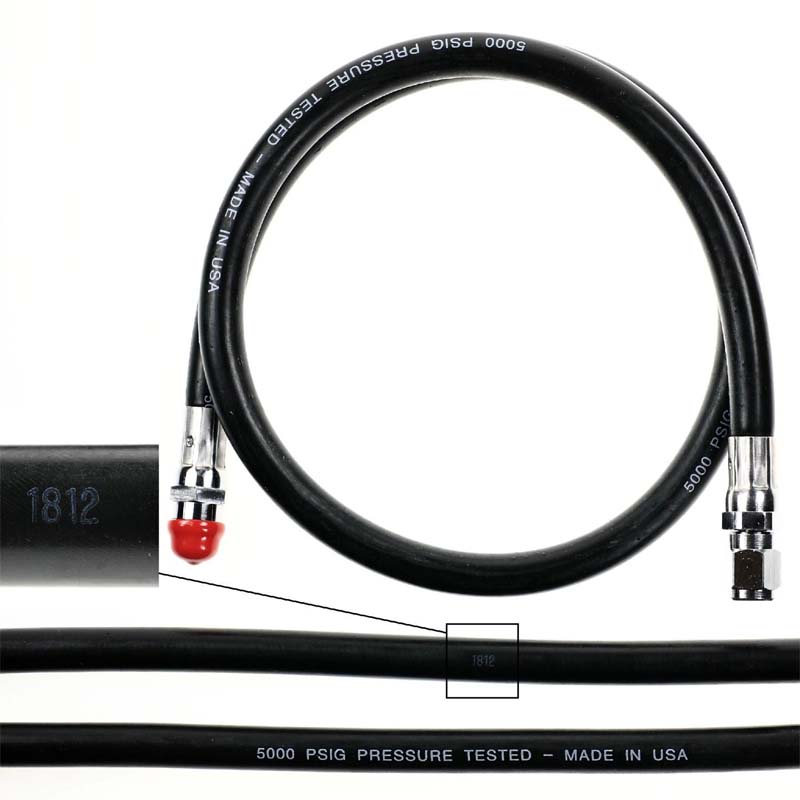
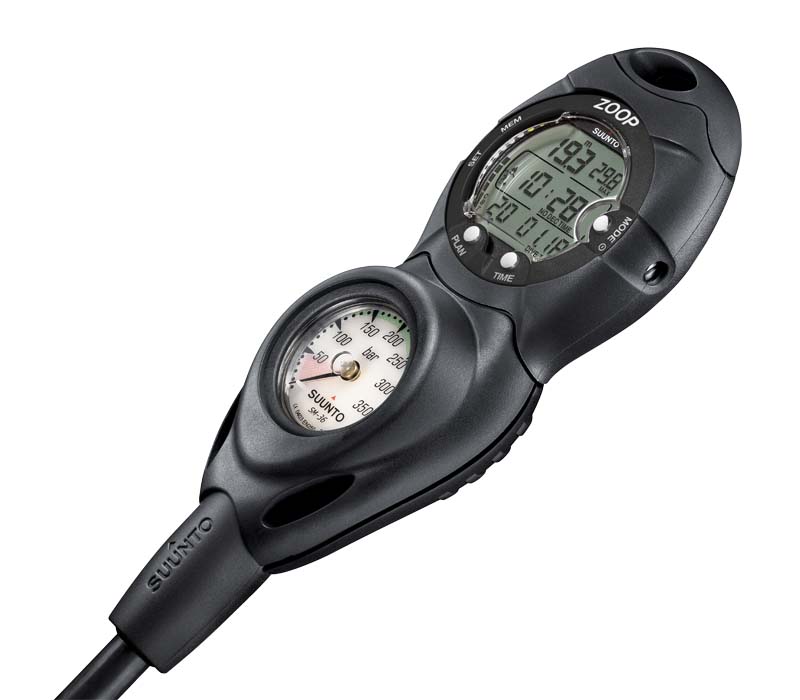
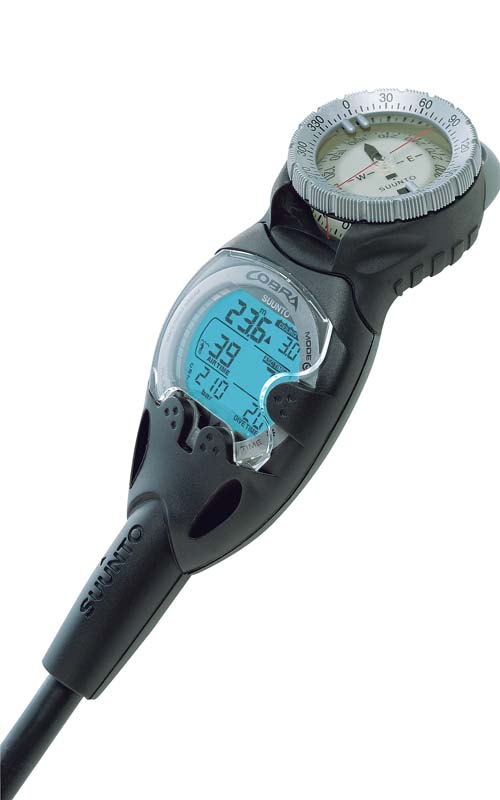
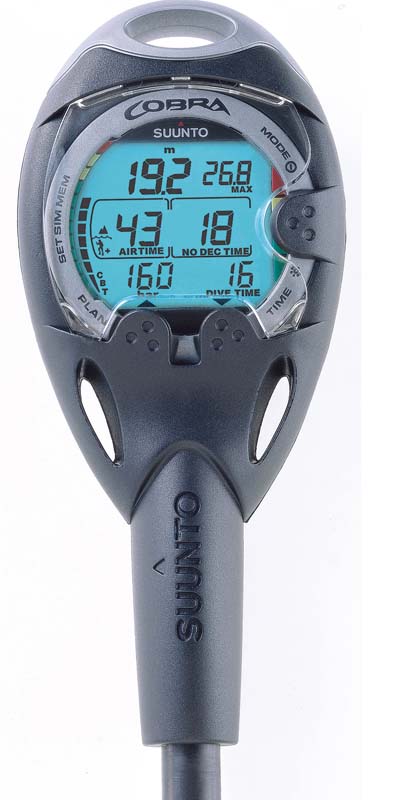
The recalled black rubber high pressure air hose is used with submersible pressure gauges and dive computers. The hose has silver fittings on both ends and "5000 PSIG PRESSURE TESTED - MADE IN THE U.S.A," the batch code "1812" and the product code are printed on it. The hoses were sold separately and as a component of the Cobra, Cobra 3, SM-36 model pressure gauge and gauge combos, and with the Vyper and Zoop model dive computers or analog pressure gauges when purchased as combos.
Product Codes/Lot Numbers:
(About 1,300 in the U.S.)
Official Source
Always verify recall information with the official CPSC source:
View on CPSC.govCPSC Recall Number: 14088
Related Recalls
Suunto D9 and D6 Model Wristop Dive Computers
Suunto Oy, of Finland
These dive computers could incorrectly track dive time, which could cause incorrect calculation of decompression requirements. This could lead to decompression sickness.