SnoThro 30LE Deluxe Snow Thrower
Class II - Moderate 🏠 Consumer Products
Recalled: January 11, 2011 Ariens Company, of Brillion, Wisc. Other Consumer Products
Nationwide
What Should You Do?
- Check if you have this product: (About 1,040)
- Do not eat it: Even if it looks and smells fine, do not consume this product.
- Throw it away or return it: You can return the product to the store for a full refund.
- Report problems: Report any issues to the FDA's Safety Reporting Portal.
Recall Details
- Company:
- Ariens Company, of Brillion, Wisc.
- Reason for Recall:
- Users trying to clear the collector or discharge chute while the machine is operating could be at risk of a finger or hand injury hazard.
- Classification:
- Class II - Moderate
Products that might cause a temporary health problem, or pose a slight threat of a serious nature.
- Status:
- ongoing
- Hazard:
- Users trying to clear the collector or discharge chute while the machine is operating could be at risk of a finger or hand injury hazard.
- Remedy:
- Ariens Company has fixed about 600 of these units prior to their sale. To determine if your unit has been repaired contact Ariens. If your unit has not been repaired, Ariens will assist you in scheduling an appointment for a free repair with an Ariens authorized dealer in your area.
Product Images
Product Information
Full Description:
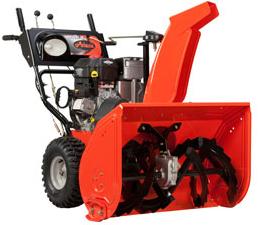
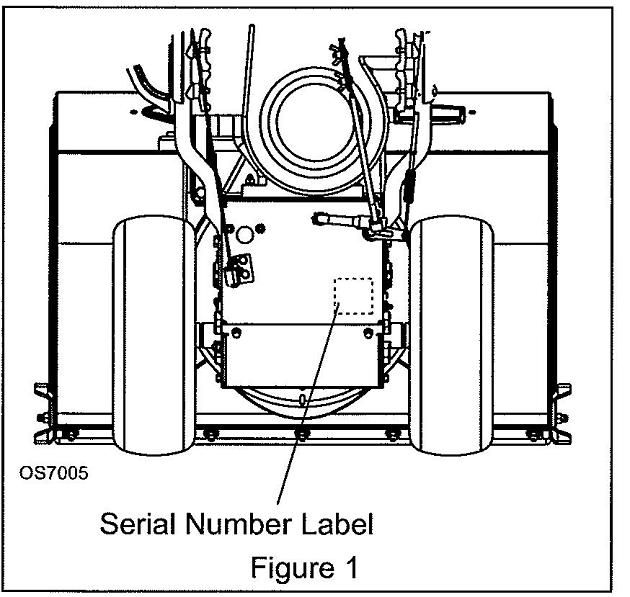
The snow thrower is painted orange and black. The model number is 921020 and serial numbers range from 000101 to 001229 and are located on a label at the rear of the unit next to the right tire. The Ariens logo is placed on the front of the control panel.
Product Codes/Lot Numbers:
(About 1,040)
Official Source
Always verify recall information with the official CPSC source:
View on CPSC.govCPSC Recall Number: 11714
Related Recalls
Ariens and Sno-Tek Snow Throwers, Ariens and Gravely All-Season Power Brushes
Ariens Company, of Brillion, Wisc.
Class III - Low Risk
A drive pulley can crack while in use and cause the auger/impeller or brush to continue to rotate after the clutch lever is disengaged. This poses amputation and laceration hazards to consumers.