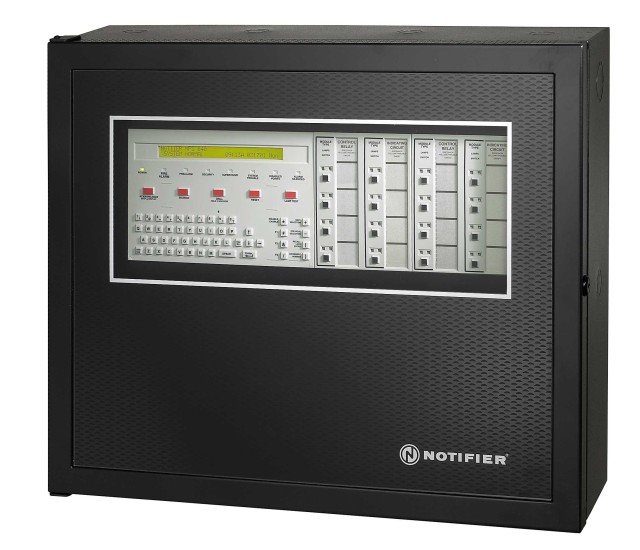
Notifier Fire Alarm Control Panels
Class I - DangerousWhat Should You Do?
- Check if you have this product: (About 2,000)
- Do not eat it: Even if it looks and smells fine, do not consume this product.
- Throw it away or return it: You can return the product to the store for a full refund.
- Seek medical attention if needed: If you've consumed this product and feel unwell, contact your doctor immediately.
- Report problems: Report any issues to the FDA's Safety Reporting Portal.
⚠️ Emergency: If you experience severe symptoms after consuming this product, call 911 or Poison Control at 1-800-222-1222.
Recall Details
- Company:
- Notifier, of Northford, Conn.
- Reason for Recall:
- The software in the fire alarm system could fail to process an alarm condition which could result in the system failing to respond in the event of a fire.
- Classification:
- Class I - Dangerous
Dangerous or defective products that predictably could cause serious health problems or death.
- Status:
- ongoing
- Hazard:
- The software in the fire alarm system could fail to process an alarm condition which could result in the system failing to respond in the event of a fire.
- Remedy:
- Distributors should immediately contact the company for replacement software. All known users of have been contacted.
Product Images

Product Information
Full Description:
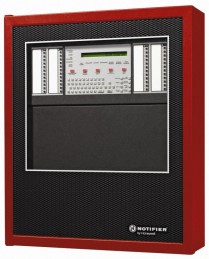
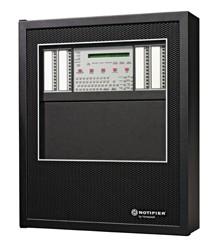
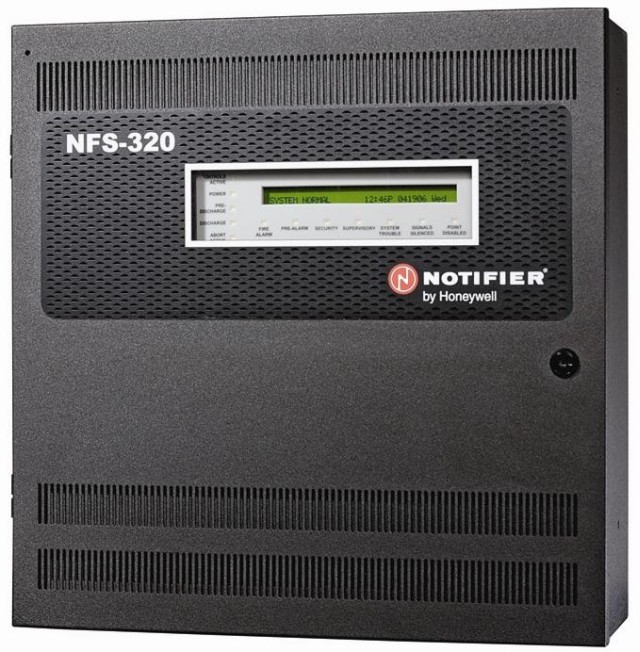
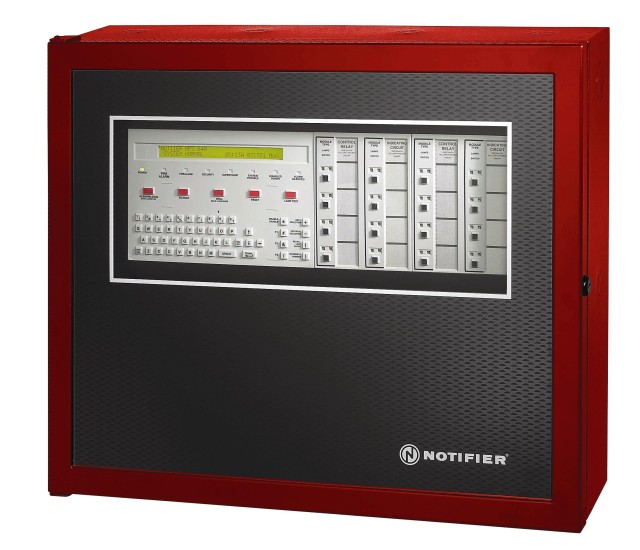
This recall involves the Notifier brand operating system firmware control panels in fire alarms. The control panel is black or red with a silver screen. The panels control display and emergency communications. "NOTIFIER" or "NOTIFIER by Honeywell" is printed on the front of the fire alarm unit. This recall includes the following model numbers: Firmware version 11.2.2 for NFS2-640 and NFS-320 control panels and firmware version 3.14.1 for and NFS-640 control panels.
Product Codes/Lot Numbers:
(About 2,000)
Official Source
Always verify recall information with the official CPSC source:
View on CPSC.govCPSC Recall Number: 09717
Related Recalls
Fire Alarm Control Panel
Notifier, of Northford, Conn.
The AEU can enter a "sleep" mode, where it does not communicate with the system. When this occurs, audible evacuation signals associated with the failed AEU will not operate and building occupants may not be warned of an emergency.