Jack Lift Tools and Kits
Class II - ModerateWhat Should You Do?
- Check if you have this product: (About 450)
- Do not eat it: Even if it looks and smells fine, do not consume this product.
- Throw it away or return it: You can return the product to the store for a full refund.
- Report problems: Report any issues to the FDA's Safety Reporting Portal.
Recall Details
- Company:
- Shivvers Manufacturing Inc., of Corydon, Iowa
- Reason for Recall:
- The jack lifts can have threads stripping or the nuts breaking, resulting in the shaft slipping and the mower falling from its stand-up position. This could cause serious personal injury to the consumer or property damage.
- Classification:
- Class II - Moderate
Products that might cause a temporary health problem, or pose a slight threat of a serious nature.
- Status:
- ongoing
- Hazard:
- The jack lifts can have threads stripping or the nuts breaking, resulting in the shaft slipping and the mower falling from its stand-up position. This could cause serious personal injury to the consumer or property damage.
- Remedy:
- Consumers should immediately stop using the recalled jacks and contact their local service dealer to have their jacks replaced at no charge.
Product Images
Product Information
Full Description:
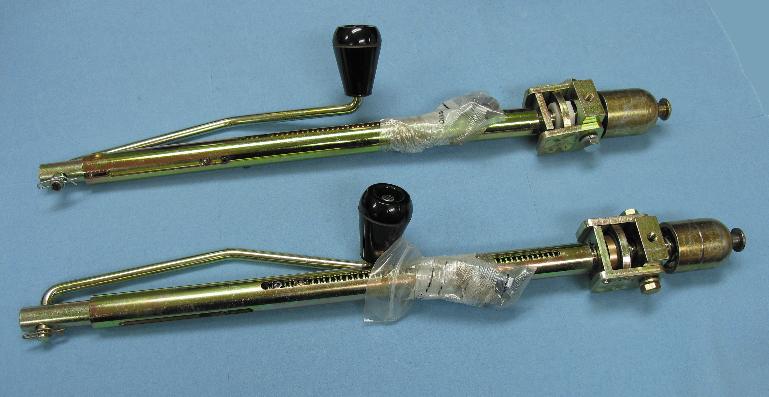
The recalled jacks are used for lifting the lawn mower during service or maintenance. Two versions of this jack model have been manufactured. Version number one was made with a nylon nut and version number two was made with a sintered bronze nut. These recalled jacks were sold separately and on Charger, JAZee and Boss riding lawn mowers.
Product Codes/Lot Numbers:
(About 450)
Official Source
Always verify recall information with the official CPSC source:
View on CPSC.govCPSC Recall Number: 08611
Related Recalls
Riding lawn mowers
Shivvers Manufacturing Inc., of Corydon, Iowa
The gas cap threads do not align with threads of the fuel tanks opening, which can allow fuel to leak, posing a fire hazard.
Riding lawn mowers
Shivvers Manufacturing Inc., of Corydon, Iowa
The ignition module can fail to ground, resulting in overheating and melting, posing a fire hazard.