Performax and Wilton 10" Sliding Miter Saws
Class III - Low RiskWhat Should You Do?
- Check if you have this product: (About 7,100)
- Do not eat it: Even if it looks and smells fine, do not consume this product.
- Throw it away or return it: You can return the product to the store for a full refund.
- Report problems: Report any issues to the FDA's Safety Reporting Portal.
Recall Details
- Company:
- WMH Tool Group Inc. (WMH), of Elgin, Ill.
- Reason for Recall:
- The saw handle's switch can fail, causing the saw to smoke, spark, and trip circuit breakers, and disable the safety brake. The saw also can keep operating unless the unit is unplugged, posing a laceration hazard to consumers.
- Classification:
- Class III - Low Risk
Products that are unlikely to cause any adverse health reaction, but violate FDA regulations.
- Status:
- ongoing
- Hazard:
- The saw handle's switch can fail, causing the saw to smoke, spark, and trip circuit breakers, and disable the safety brake. The saw also can keep operating unless the unit is unplugged, posing a laceration hazard to consumers.
- Remedy:
- Consumers should immediately stop using these saws, destroy and discard them. The firm is out of business. A remedy is no longer available.
Product Images
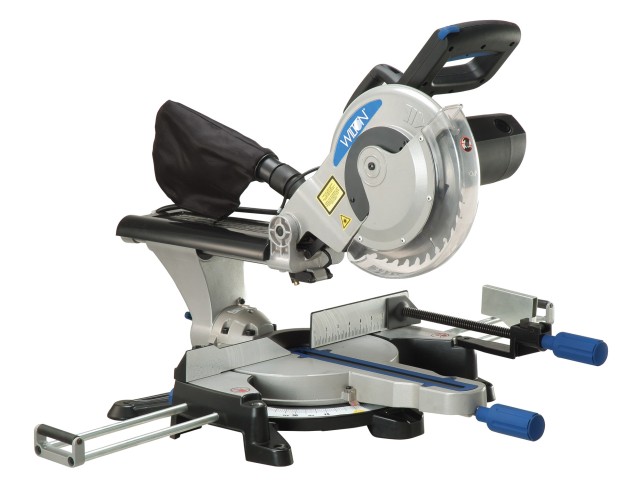
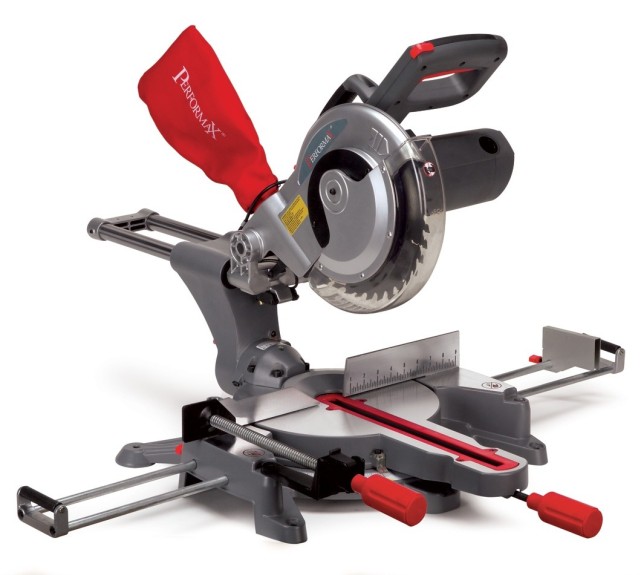
Product Information
Full Description:
The recall includes Performax model number 90206 and Wilton model number 34570 10-inch sliding miter saws with date code/serial numbers ranging from W062505 to W070405. The model, date code/serial numbers are printed on a black label on the motor housing of the saw.
Product Codes/Lot Numbers:
(About 7,100)
Official Source
Always verify recall information with the official CPSC source:
View on CPSC.govCPSC Recall Number: 08100
Related Recalls
Wilton Mitre Saws
WMH Tool Group Inc., (WMH), of Elgin, Ill.
The aluminum cast pivot joint that connects the base of the saw to the head assembly (which contains the saw blade) can crack under extreme pressure or force, causing the blade assembly to unexpectedly break free from the stationary base. This poses a laceration hazard to consumers.