Club Car DS Golf Cars and Utility Vehicles
Class I - DangerousWhat Should You Do?
- Check if you have this product: (About 7,300)
- Do not eat it: Even if it looks and smells fine, do not consume this product.
- Throw it away or return it: You can return the product to the store for a full refund.
- Seek medical attention if needed: If you've consumed this product and feel unwell, contact your doctor immediately.
- Report problems: Report any issues to the FDA's Safety Reporting Portal.
⚠️ Emergency: If you experience severe symptoms after consuming this product, call 911 or Poison Control at 1-800-222-1222.
Recall Details
- Company:
- Club Car, Inc., of Augusta, Ga.
- Reason for Recall:
- The fuel tank may leak, posing a potential fire hazard.
- Classification:
- Class I - Dangerous
Dangerous or defective products that predictably could cause serious health problems or death.
- Status:
- ongoing
- Hazard:
- The fuel tank may leak, posing a potential fire hazard.
- Remedy:
- Consumers should stop using the recalled vehicles immediately and inspect the tank and storage areas for any sign of leakage prior to use. If signs of leakage are present, consumers should discontinue use of car and contact the nearest Club Car Dealer immediately. The fuel tank replacement will be done free of charge. Club Car has notified consumers directly about this updated recall, to schedule a tank replacement.
Product Images
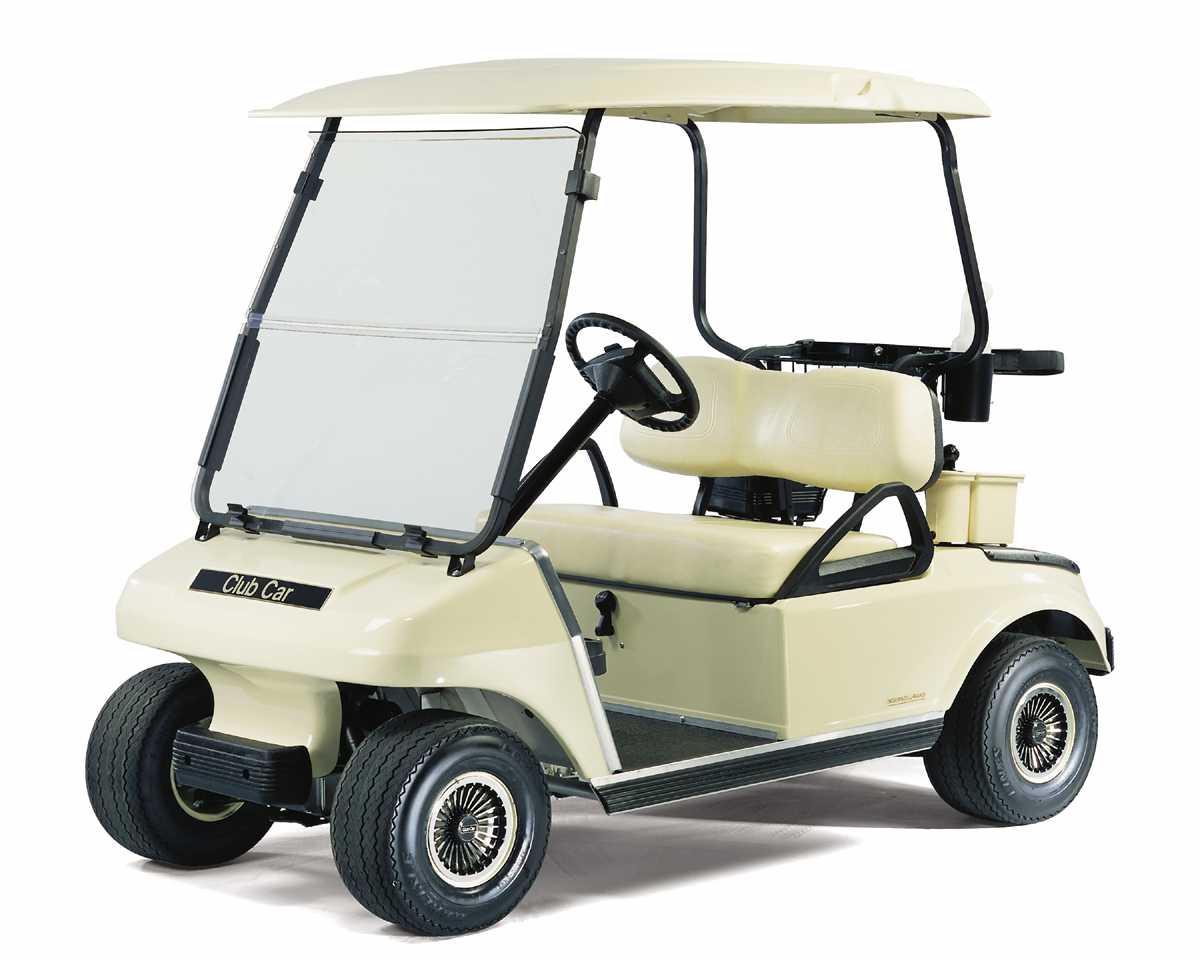
Product Information
Full Description:
The recalled vehicles are serial numbers 0229-169750 through 0236-197543. The serial number is located on a decal just above and to the right of the accelerator pedal.
Product Codes/Lot Numbers:
(About 7,300)
Official Source
Always verify recall information with the official CPSC source:
View on CPSC.govCPSC Recall Number: 02536
Related Recalls
Golf Cars; Rough Terrain Vehicles; and Hospitality, Utility & Transport Vehicles
Club Car Inc., of Augusta, Ga.
The steering gear assembly can fail, resulting in an unexpected loss of steering control, posing a risk of injury to the driver and passenger.
Precedent and Precedent Champion Golf Cars
Club Car, Inc., of Augusta, Ga.
The accelerator pedal can temporarily stick when depressed, resulting in unexpected acceleration or difficulty braking.
2004 and 2005 model year gasoline and electric powered DS Golf Cars, Hospitality, Utility & Transport Vehicles and Rough Terrain Vehicles
Club Car Inc., of Augusta, Ga.
Microscopic cracks in the brake equalizer rods on certain vehicles may cause the rods to fatigue and fail prematurely in continuous use. Such failure could result in a loss of braking ability.