Porter-Cable portable generators
Class I - DangerousWhat Should You Do?
- Check if you have this product: (About 600)
- Do not eat it: Even if it looks and smells fine, do not consume this product.
- Throw it away or return it: You can return the product to the store for a full refund.
- Seek medical attention if needed: If you've consumed this product and feel unwell, contact your doctor immediately.
- Report problems: Report any issues to the FDA's Safety Reporting Portal.
⚠️ Emergency: If you experience severe symptoms after consuming this product, call 911 or Poison Control at 1-800-222-1222.
Recall Details
- Company:
- DeVilbiss Air Power Co., of Jackson, Tenn.
- Reason for Recall:
- A small hole in the generator's fuel tank, where it mounts to the frame, can leak fuel and pose a fire hazard to consumers.
- Classification:
- Class I - Dangerous
Dangerous or defective products that predictably could cause serious health problems or death.
- Status:
- ongoing
- Hazard:
- A small hole in the generator's fuel tank, where it mounts to the frame, can leak fuel and pose a fire hazard to consumers.
- Remedy:
- Consumers should stop using these generators immediately and contact DeVilbiss Air Power Co., to arrange for a free tank replacement.
Product Images
Product Information
Full Description:
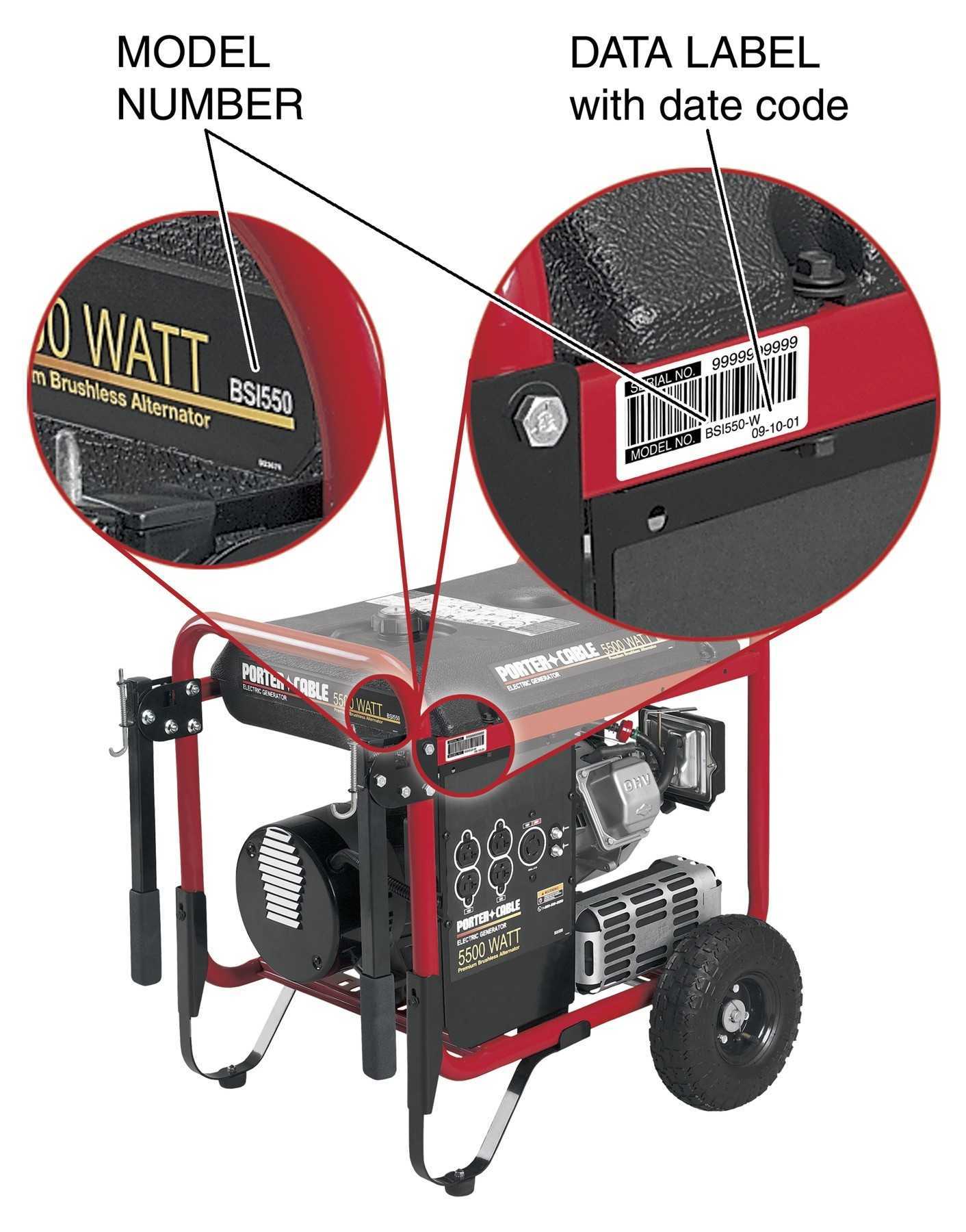
The recalled gasoline-powered generators have the model number BSI550-W printed on the fuel tank between the handles. These generators also have the date code "09-10-01" printed on a bar code label on the gasoline tank support rail. The generators are red with a black fuel tank and have the brand "Porter-Cable" printed on the fuel tank. Generators produced on dates other than "09-10-01" are not included in this recall.
Product Codes/Lot Numbers:
(About 600)
Official Source
Always verify recall information with the official CPSC source:
View on CPSC.govCPSC Recall Number: 02067
Related Recalls
Air compressors
DeVilbiss Air Power Co. of Jackson, Tenn.
The air compressor motor can overheat, posing a fire hazard.